Part V of V
***Content warning: “Indian boarding schools”, rape, assault, violence***
It’s Part V! I had no intention of continuing this series so soon, however, the unfortunate news of famous climber and snowboarder Lonnie Kauk’s violent behavior1 toward his girlfriend came on the heels of the release of this series.
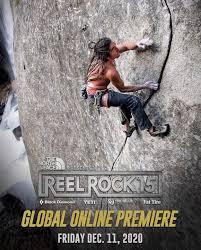
This gives me another chance to add yet another layer to the scrutiny of history of policy directly affecting women, how that has in turn affected our climbing, and the intricate nature of an Indigenous man named Lonnie Kauk perpetuating domestic violence, who was also featured in a Reel Rock film before.
Yet again, let’s look at policy. If you haven’t had a chance to read The Reel Deal: Women, Policy, and Autonomy Part I,2 I highly suggest starting there to get an adequate background on the history of some particular policy designed to control women. This is by no means an all encompassing history as I did not even go into other topics such as body autonomy regarding child bearing.
I would also suggest reading/listening to Hip Hop in Climbing Part II: The Birth of Climbing3 for a brief, pointed history of climbing in the US. Priming yourself with these topics will give you a good foundation to follow bringing these timelines together. Below is a supplemental timeline to assist us in discussing some of the news which has come to light. Previously cited sources to create this timeline can be found in each respective section and new sources are noted.
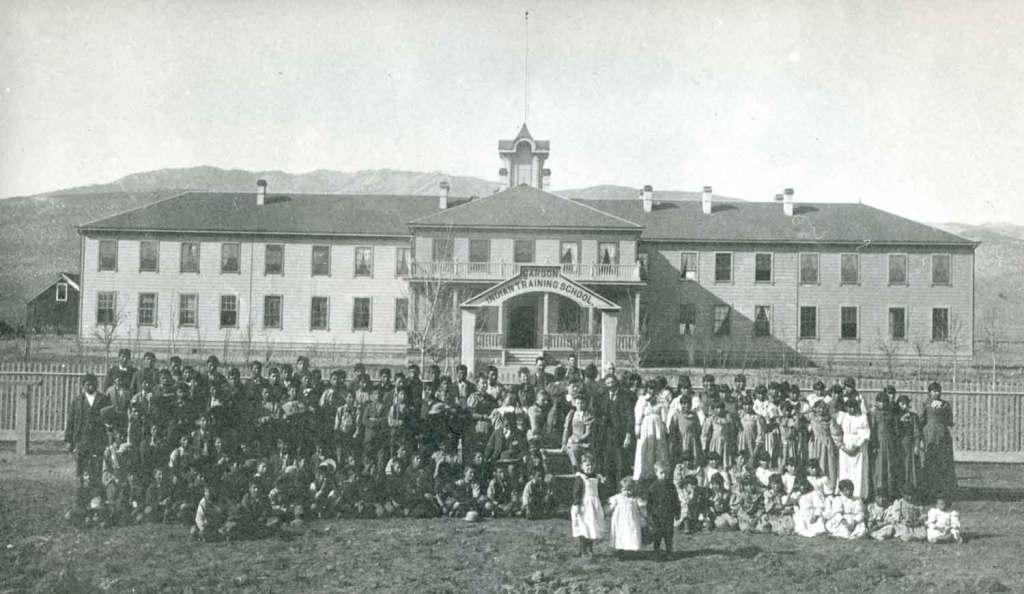
- 1890 The Stewart Indian School was founded “during a time when many similar institutions were cropping up across the U.S.”4 for Indigenous people. Lonnie Kauk’s grandmother (Julia) on his mother’s side recalls “Starting in eighth grade, I went to the Stewart Indian School, where they told you, “Don’t be Indian.”5 Also known as a Native American boarding school
- 1948 “Ralph and Julia married…and lived in the Valley’s Wahhoga Village [in Yosemite]. Over a decade before, the Park Service had relocated the remaining Indigenous residents from their old village to the new site of fifteen government-built cabins, all smaller than 450 square feet. The Park Service began charging rent and only permitted Indigenous people to remain if their family members worked in the Valley–part of a plan, as Mark David Spence writes in Dispossessing the Wilderness, to “give park officials unprecedented control of Yosemite’s Native community and, over time, achieve the full removal of Indians from the park.”6
- 1953 “Yosemite officials again amended the residency rules, only allowing people to live in the [Yosemite] Valley if they held permanent, full-time positions with the Park Service.”7 Unless you were a white, dirtbag climber as we have seen from multiple accounts
- 1957 Ron Kauk8 (Lonnie’s father) was born. Research suggests he is a white man or at least moved through the world as one
- Civil activities from around 1960-1969 were in hearts and minds: sit ins across the country sparked by Woolworth’s in North Carolina, the bombing of the Birmingham 16th Street Baptist Church that killed four Black girls, the Civil Rights Act of 1964, the passing of the Voting Rights Act of 1965, and the Stonewall Riots
- 1964 Segregation ended. Every woman’s humanitarian and legal rights from here on theoretically extended to Black and Indigenous women as well. This does not include women being refused to own a bank account
- 1964 Civil Rights Act was a huge step in desegregation and most notably for intended purposes: prohibited discrimination in federally funded programs (such as national parks). Black people are the reason any racialized people have freedom today
- 1965 saw 1,635,400 total visitors and 1970 saw 2,277,200. Less than 1% of all visitors to the Yosemite Valley were African American. Presumably Black women did not travel to any national park alone or without a man, let alone climb
- 1968 “Congress passed the Indian Civil Rights Act, providing that Tribal Nations would have criminal jurisdiction over non-Indians committing crimes on reservation lands and Indians of another tribe committing crimes on reservation lands, but still limited only to those crimes not covered by the Major Crimes Act, so only misdemeanors.”9 “The Indian Civil Rights Act (ICRA) came into being as a result of the assassination of Dr Martin Luther King and a decade of protests, mostly by Black Americans”10 “This act, officially known as the Civil Rights Act of 1968, guaranteed that American Indians would enjoy all the rights already in the Constitution, not just from the federal government, but from their own Tribal governments.”11 On the flip side, it also meant “authoriz[ing] federal courts to intervene in intra-tribal disputes, a power they never had before. Many Indians bitterly resent this development.”12
- 1969 “During that time, divorces were also “fault-based,” meaning there needed to be abuse, infidelity, or some other reason to justify a split.” Women could not leave their husbands easily, if at all. Of course, this is also a very colonial way of looking at the concept of marriage since policy only centered cishet straight nonpolygamous marriages in a way that stemmed from white people’s ideals
- 1969 “Since 1969, studies have shown no-fault divorce correlates with a reduction in female suicides and a reduction in intimate partner violence.” Marital rape was legal and therefore not an eligible reason to file for divorce, leaving women open to being victims of mistreatment
- Pre 1970’s “It’s also the foundation for why, prior to the 1970s in the U.S., marital rape was still legal, and a woman could not obtain a driver’s license, get a passport, or register to vote unless she took her husband’s last name.”
- Pre 1970’s“Married women owned nothing—not even the clothes on their backs. They had no rights to their children, and no rights to their bodies, so men could send their wives out to labor, and [the men] could collect the wages. He also had an absolute right to sexual access. Within marriage, a woman’s consent was implied, so rape was legitimate.” Translation: your husband could rape you and it would not be a legitimate fault for a divorce
- Early 1970’s. The first white climbing group (presumably made up of almost all cis gender men) in mainstream documented US history started the defining road to climbing. They made their shelter Camp 4 next to the historic site of the Wahhoga Village: a place where the local Indigenous people were forcefully removed from only about 100 years ago and were not allowed to occupy at all of their own volition after
- Around 1973-1980 the valley saw a new climbing group coming on the scene: the Stonemasters. Ron Kauk13 (Lonnie’s father) was one of them
- 1974 “The Equal Credit Opportunity Act of 1974 gave every American woman, married or not, the right to open her own bank or credit account. It outlawed discrimination by both sex and race in banking. It is easy to forget today that this right has existed nationally for fewer than fifty years.” So although all women were legally allowed to make contracts, own property, sue in court, and enjoy the full protection of federal law since 1866: a bank had every right to deny a woman a bank account in which to hold her funds or do business from
- 1980 The Steward Indian school Lonnie’s grandmother attended closes
- 1981 Lonnie Kauk is born14
- One year after The Steward Indian school Lonnie’s grandmother attended closed15
- 7 years after it was mandatory to let every race and gender have their own bank account regardless of marriage status
- 12 years after no fault divorce was law
- 13 years before the Violence Against Women Act was in effect
- 17 years after segregation ended
- Marital rape is still not a crime in many states
- 1983 “…most state criminal codes had rape definitions that explicitly excluded spouses…By 1983, when TIME devoted an issue to “private violence,” 17 states had gotten rid of the rules that made spousal rape impossible to prosecute… the vast majority of cases brought in the first years after 1979 led to a conviction…Today, spousal rape is illegal throughout the U.S.”
- 1994 “The Violence Against Women Act, signed by President Bill Clinton on Sept. 13, 1994, was the first federal legislative package to designate domestic violence and sexual assault as crimes and require a community-coordinated response to violence against women.”
- 1994 “…crimes that “thrive in silence,” like domestic violence and sex trafficking, out from behind closed doors and turned sexual violence into a societal and cultural issue rather than just a private one… It became more difficult for perpetrators to operate with complete impunity as the criminal justice system began to take sexual violence crimes more seriously.”
- Early 2000’s climber Chris Sharma was on the rise. He had started climbing around 1983: only 16 years after the last edition of the Negroe Travellers Green Book published
- 2004 “A 2004 paper by economists Betsey Stevenson and Justin Wolvers found an 8 to 16% decrease in female suicides after states enacted no-fault divorce laws. They also noted a roughly 30% decrease in intimate partner violence among both women and men, and a 10% drop in women murdered by their partners.”
- 2010 New York was the last state to adopt a no fault divorce policy: California was the first state to have this policy in 1969. “During that time, [when] divorces were… “fault-based,” meaning there needed to be abuse, infidelity, or some other reason to justify a split.” And remember: before the 1970’s marital rape was not a justifiable reason to divorce and abuse/torture has always been difficult to prove in a court of law
- 2013 The Violence Against Women Act “…requires reauthorization by Congress every five years… The 2013 reauthorization introduced Section 904, which grants federally recognized tribes and tribal courts the optional “special domestic violence jurisdiction” over non-Indigenous perpetrators of intimate partner violence or protective order violations. To exercise this jurisdiction, tribes must submit a detailed application to the Department of Justice (“DOJ”), demonstrating their ability to protect defendants’ rights adequately.”16 I will talk more about this later
- 2015 Same sex marriage legalized in all 50 states. “gay marriage had already been made legal in 37 states and the District of Columbia — by either legislative or voter action or by federal courts that overturned state’ bans.” Up until now (depending on the state), the only access to power for married couples was to be in a straight, cis gender appearing relationship in the eyes of the law
- 2024 “U.S. President Joe Biden made a diplomatic visit to Gila River Indian Community to issue an apology from the United States to all Indigenous Americans for some of the harms the federal government caused through the policy of federal Indian boarding schools”17
The very first thing I would like to address is whether or not there should be leniency or sympathy toward Lonnie’s actions because of his Indigenous heritage. I have a few things to say about this, but let’s start with a story.

One day, someone close to me was recounting a news story they heard about a man who had raped a women. This man was Black and so was the victim who was a woman. The person close to me started talking about it and ended up at the conclusion that people should support and protect him because he was Black. And that Black men would face much more severe consequences than say, a white man if he were to be legally charged.
And of course, I immediately let him know that I did not agree. Rape is rape. Violence is violence. Although the justice system is indeed skewed toward white people’s favor; we cannot stand for rape or violence, especially of women. And most especially of Black women. Unfortunately, there are more stressful and messed up situations that Black men are indeed exposed to that maybe a white man would not be; making him more prone to violent behavior, however, it is still not acceptable. And not everyone who was a victim at some point in their life becomes a perpetrator of what they were subject to. But some do. And they should be held accountable regardless of their race.

I do want to fully recognize, however, that allegations of rape/assault from white women about Black men have been weaponized to carry out violence to Black men. I am not saying some of those rapes did not happen, but we all know this was a play for white women to have some sort of power in a patriarchal society. And this has been a well documented malicious occurrence that we will not be going into depth about today.18
With this little story, then how do we wrap our minds around Lonnie Kauk being Indigenous? The first thing we should get clear is that people of color, just like anyone, can and unfortunately do engage in inappropriate and harmful behavior. Let’s look at Lonnie’s family ancestry to see if any of it justifies this behavior.
Lonnie’s grandmother, Julia, survived an “Indian Boarding School” as they were called at the time. And I say survived because many did not. It was a brutal place for Indigenous people and many were small children. It was forbidden to speak their native language or engage in any Indigenous practices at all, punishable by corporal punishment or worse. And the most disappointing thing about it was that these schools were funded and supported by the United States federal government.
“In the beginnings of white settlement across the west, forced assimilation was not to bring indigenous peoples into society. In fact, in what are called “sundown towns,” most native peoples had to be off the streets or even out of the towns entirely that were inhabited by white settlers or risk arrest – or worse…The fact that laws were voted into existence and enforced to keep non-whites off the streets goes to show that, while the Stewart Indian School and other institutions like it were based on forced assimilation into white culture, it wasn’t to welcome students into society with open arms, but rather to create a servant class for white settlers, while also working to destroy native culture. By not allowing students to speak their native languages, wear traditional clothing, or even in some cases, have any contact with families, it severed many avenues of culture which affected multiple generations…However, for many of the students, the history of Stewart [Indian school] is not so black and white. As the school grew and time went on, new trades were brought into the curriculum and new opportunities were granted to students. In the early 1920s, School Superintendent Frederick Snyder brought Hopi stonemasons from Arizona and taught the students to become stonemasons. The students built all 65 stone buildings on the campus, as well as the historic Thunderbird Lodge at Lake Tahoe, along with many other buildings within the region. The first building they constructed, which was the administrative building, is now the building the museum calls home…These varying perspectives are exactly why the histories of native peoples need to be placed in their own hands, not in the hands of the U.S. Government or their former oppressors. The school was operated by the federal government through the Bureau of Indian Affairs until 1980 when the school closed its doors.”19
Within even the past couple years we have seen the stories come out around these boarding schools: horrible stories of pain and suffering.20
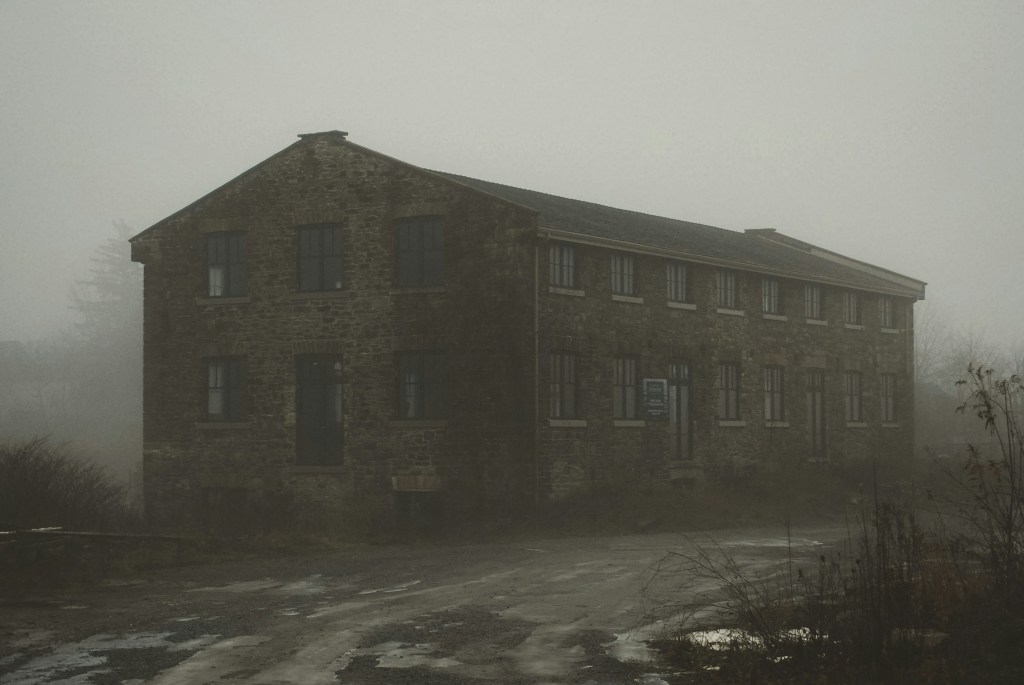
“Many children did not survive the Indian boarding school era and many of those that returned to their communities had endured significant abuse. The effects of this era live in Indian boarding school survivors and continue to be felt in Indigenous communities today through various forms of trauma. To provide a path toward truth, justice, and healing, it is essential to understand and acknowledge the history and effects of this era.”21
Again we see a community of people of color devastated by abuse and suffering because of who they are. Does this mean those people whose families have endured this in the past are excused to go on to violate others? Absolutely not. Never.
And it would be negligent of me to not also take this opportunity to talk about the violence to Indigenous women because it has been a long, ongoing major issue. And by who? The majority of violence toward Indigenous two spirit people and Indigenous women are actually caused by people of non Indigenous descent aka white people.22
Throughout history we have seen “European colonists with patriarchal views [taking] Indigenous women as slaves to men, leading to rape, violence and submission.”23 The Missing and Murdered Indigenous Women (MMIW) and Two Spirit Individuals initiative is in direct response to a high rate of murdered and missing Indigenous people, even up to the present day. “Native American women in New Mexico experienced the highest rate of homicide among all racial and ethnic groups…[2024].”24 And I would be remiss not to mention this struggle and the policy surrounding it, because it gets very tricky and these policies would theoretically directly affect people such as Lonnie Kauk’s grandmother and even mother. And it all starts with legal courts.
“Federal charges ordinarily cover matters of national reach: immigration, voting rights, racketeering. Not in Indian Country. Tribal members frequently find themselves in federal court for all sorts of allegations— not just serious crimes, such as murder, but lesser offenses, like burglary. Once in federal court, they face sentencing guidelines that are stiffer than if they were tried in state court, where non-Native cases are generally heard. Diversion, probation and other mitigation actions, typical of state courts, are also less common, as is a jury that includes their peers, which is to say, other Natives.
As a result, Native Americans receive significantly longer sentences than non-Natives for similar crimes and many sources have cited a statistic indicating they are 38% more likely to be behind bars than anyone else. Native detainees are also, on average, younger, more likely to be women and have less criminal history than the federal prison population at large.”25
As far as I can tell, this is because reservations are not part of a state (like Washington, Oregon, etc) due seeking their own sovereignty after being forcibly colonized. Therefore if an Indigenous person were to be tried for an alleged crime, it would go straight to federal court. And the shortcomings of that were just illustrated. And all of this fell under the Major Crimes Act of 1885 which “…let the federal government reach deep into tribal nations, control their judicial systems, degrade public safety and destabilize their communities. The list of crimes covered has lengthened through the years, and the law has been bolstered by Supreme Court decisions declaring that Natives have no jurisdiction over non-Natives.”26 And the 1968 Indian Civil Rights Act continued this tradition of federal courts having jurisdiction more deeply in Indigenous affairs.

So you see a major loophole here? One in which white men, in particular, may benefit from this situation if they wanted to commit violent acts? This left Tribal Nations “…unable to govern themselves and protect their own people from criminals that may opportunistically seek out areas with confusing criminal jurisdictions or where the federal governments and state governments grossly neglect their policing agreements.”27 And “…effectively tied the hands of tribal governments to prosecute the worst of crimes within their own jurisdictions, and word spread that you could commit murders and even attack, kidnap, abuse and murder women. The federal government had better things to do, than investigate the murder of Native American women, and so increased the attraction for the human predators to prowl around and within the jurisdiction of Tribal Nations.”28
This unfortunately and unsurprisingly led to many issues. “…in contemporary times, the MMIW crisis is further fueled by economic activities like oil drilling, fracking, and logging, which bring an influx of non-Native men into Native territories. These men often exploit Native women, knowing that the complex jurisdictional maze makes prosecution unlikely. In addition, the forced assimilation of Native children into boarding schools between 1941 and 1967 reinforced cycles of abuse that victimized Native women and contributed to the perpetuation of the MMIW crisis. This process sought to erase Native cultures and impose Western ideologies of patriarchy and sexual abuse, which Native communities eventually internalized. The removal of children from their families and their placement in abusive environments created a lasting legacy of trauma that continues to impact Native communities today. Many Native women grew up in a world where those in positions of power routinely violated their boundaries, whether it was a foster parent, teacher, or boarding school principal. This normalization of abuse has profoundly impacted the mentality of Native women, conditioning them to view themselves as easy targets and to expect little justice or protection.
The 1994 Violence Against Women Act (“VAWA”) was a significant step forward, providing federal funding to state, tribal, and local governments, nonprofit organizations, and universities to combat violent crime. However, VAWA requires reauthorization by Congress every five years, a process that occurred in 2013 but stalled after an attempted reauthorization in 2018. The 2013 reauthorization introduced Section 904, which grants federally recognized tribes and tribal courts the optional “special domestic violence jurisdiction” over non-Indigenous perpetrators of intimate partner violence or protective order violations. To exercise this jurisdiction, tribes must submit a detailed application to the Department of Justice (“DOJ”), demonstrating their ability to protect defendants’ rights adequately. However, several significant issues remain. Section 904 applies only to narrowly defined cases of “domestic violence,” excluding crimes such as sexual assault, child abuse, substance abuse, property destruction, threats, stalking, and assaults involving individuals not in intimate relationships. For instance, the Pascua Yaqui Tribe in Southern Arizona was unable to prosecute a case involving a same-sex couple because their relationship status was not publicly known. Second, the DOJ’s stringent requirements for tribes to qualify for special jurisdiction often undermine traditional tribal justice practices, such as restorative justice and peacemaking circles. The government’s failure to extend this jurisdiction to all federally recognized tribes has also limited the law’s impact. Out of over 500 recognized tribes, the government approved only 18 to exercise this jurisdiction under the 2013 reauthorization, highlighting how the burdensome application process disproportionately limits tribal participation.”29 This is an entire can of worms with many intricacies that still impact Indigenous communities today and have left “…federal policies [which] create what some scholars call a “jurisdictional maze” for Indigenous women who are victimized on Indian reservations.”30 Not to mention a tribe has to be federally recognized: a hotly debated issue (see works cited)31 and mostly unattainable status for a number of reasons.32
Now returning to the question of Lonnie Kauk’s ancestry: it is important to be aware of these undercurrents of the past. But I want to make a few things clear: 1. Just because Lonnie’s family was caught in these situations of the past due to their identity does not mean their family was not loving and wonderful. 2. Even if there was some sort of difficult behavior going on within the family due to generational trauma: it does not necessarily mean that is a direct result of Lonnie’s behavior.33 3. I am making no such claims of abuse or traumatic behavior about his family at all.
The reasons as to why people become violent and act on it is still a widespread mystery generally as there are a lot of contributing factors that determine a person’s behavior. “Abuse is a learned behavior. Some people witness it in their own families growing up. Others learn it slowly from friends, popular culture, or structural inequities throughout our society. No matter where they develop such behaviors, those who commit abusive acts choose to do so — they also could choose not to.”34 The underlying theme though seems to be that the person has felt they have lost power or control somehow and attempt to control the people around them, usually an intimate partner, by any means necessary. And as a note I will just say that alcohol never really alleviates this inappropriate behavior but in turn usually enables it; and in Lonnie’s case alcohol seemed to be a factor for this particular incident.35
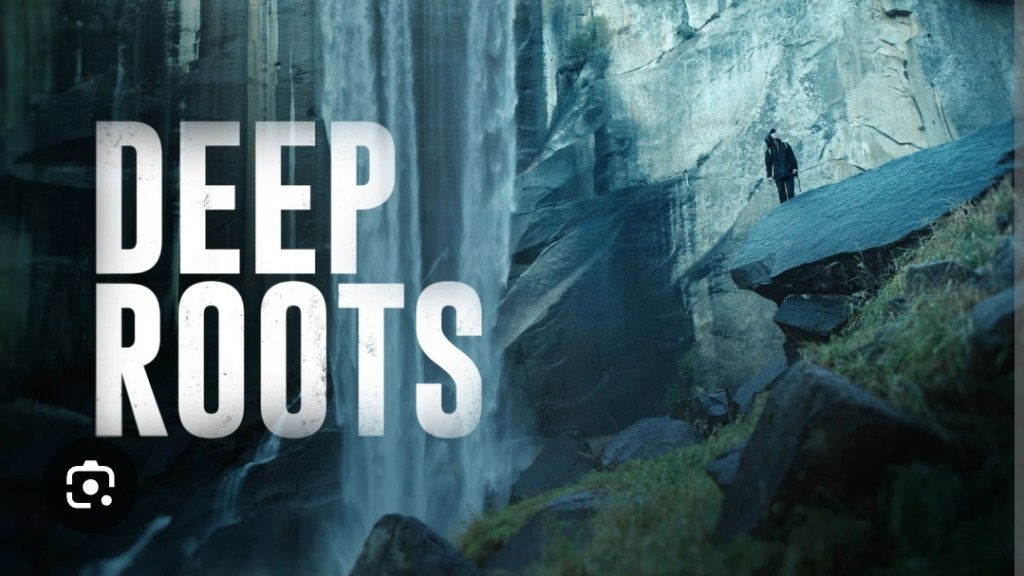
As for the behavior being learned from friends or culture: how does climbing and Reel Rock play into this? I would argue that every pro climber/athlete is definitely a controlling person in general due to the grueling nature of physical demand and narrow focus on a goal. Yet again, we see another participant in Reel Rock be publicly called out for harassment, abuse, or violence against women or women condoning the behavior (read all about this in the first four sections of the Reel Deal). Lonnie was in Reel Rock 1536 with a film called Deep Roots and I will say personally I enjoyed his video. It was something completely different, culture wise. An Indigenous person climbing iconic routes his white father had climbed on his native land. What a beautiful story.
But if you recall me talking about being a fish in water, not realizing what water is: the culture around Reel Rock may be more patriarchal than previously perceived. Beyond their stats of not highlighting women, people of color, or even women of color in part II of my The Reel Deal article37: there is also an undercurrent of misogyny that may be missed unless inspected closely.
One example I would like to bring to light is one of Cedar Wright’s public statements in a podcast called the Enormocast.38 If you are not familiar, Cedar Wright is also a professional climber who has directed a number of Reel Rock films as well.39 He is deeply embedded into their culture.
Episode 106 of the Enormocast starts out well enough. Cedar expresses at 18:40 that “…if you really trust your partner, then you should be able to let them go out and climb with someone from the opposite sex.” Most of the topics so far on this episode seem to revolve around romantic relationships in climbing. But then he goes straight into compounding the claim he just made at 25:34 with: “As far as this girl who’s like what do I have to do? How can I have people look at me as a climber and not as a potential hook up? I think you just have to be the most badass climber that you can be; you have to be in it for the climbing and you have to realize yourself as a leader and as someone who can walk up to a climb and get up it without a rope gun. So at that point, if you have your own personal goals and you are psyched on those goals then most likely you’re gonna kinda find people who are there to help you realize that goal and to climb with you, not to want to have sex with you. And also maybe just don’t wear bootie shorts or whatever when you go climbing with them. Wear like a modest, you know, baggy climbing outfit.” Host: ‘I just see you in you’re wife’s drawer like just whip: nope nope this is nope nope this is going and this is going…these are out…’ Cedar: ‘Exactly, I’m out. I got you this climbing burka: you can climb with whoever you want.’ Host: ‘Here’s some really baggy sweats. You look really good in these out there.’ Cedar: ‘Oh well no you shouldn’t put on any makeup, or do your hair. Or shower.’”

First of all, the myth of a minority in a space having to be the best at something and not allowed to be mediocre is a ridiculous notion to be valued. It is also strange to think that if you are competent at something, people will not see you romantically: that only if they have something to teach then you are open for a sexual relationship. And for me, this conversation feels very reminiscent of what you would hear his father’s generation (yes, Cedar is about 50 years old40 which is a similar era to the rest of the Reel Rock founders) of rhetoric for women. Women in marriages typically attempted to please their husbands because they held all the financial power and control. If he beat you, raped you, or tortured you in any way, society would encourage you to stay by keeping money and resources squarely on the man in the relationship. Not to say that Cedar is suggesting this, however, by advising a woman not to dress a certain way when going out on climbing trips and to be taken seriously he has inadvertently, or consciously, upheld a very toxic way of thinking.
“This kind of humor deflects the real issue and reinforces rape culture. Blaming women for not being taken seriously because of their choice of clothing is akin to saying that a woman who was raped was asking for it. This places the blame on the victim. Without realizing it, Wright, through his language, has hit the nail on the head: we cement value to women based on what they wear. Women are held to value judgments solely based on their sex appeal through the white, hetero, cis male gaze.
And gaining respect is a losing battle. If women wear something that is deemed “sexy” you will not be taken seriously. If you wear modest clothes you will still be an open target for the slut label. This stems from a culture that finds women and minorities to be disposable if they are not an appropriate serving of sexy. This is at its core an impossible standard to achieve, and should be a standard in which every member of our community works fiercely to abolish.”41 Erin Monahan hit the nail right on the head in her writing of this particular podcast, and is where I originally became aware of the episode. “The language Wright uses may not have material consequences, but it can lead to an atmosphere where women feel insecure, uncomfortable, or unsafe. When this kind of speech is tolerated it encourages violence towards women. Political and social equality will not come if we continue to attach a woman’s value to their style of choice.”42 Again we come back to culture: Cedar is a big part of the Reel Rock culture and it is apparent that a lot of people within this culture have drunk the patriarchal kool-aid, so to speak. If not consciously, then unconsciously as a fish not observing the water.
What if it were earlier in the decade when Cedar’s wife did not have access to her own bank account and resources? Theoretically he could have imposed his will on her with this dress code because society and policy allowed it (and his parent’s generation most certainly did). And to take it even further: would his wife even be climbing? I personally have known women that are servants of the house doing all the cooking, cleaning, and housework while the husband works and keeps all his wages to himself, only supplying her the bare minimum for groceries and childcare items if they had children. Does this sound like a situation in which a woman would go to the crag of her own volition to discover climbing? Absolutely not! The policy and structure that was in place up until even the 70’s had major potential road blocks to women climbing of her own volition and can further explain why a lot of us have been brought into the sport by men: all this time men (particularly white men) have had the financial freedom and power to wander out into the woods and attempt to climb a rock. And that is what we call privilege: not worrying about legally obtaining a bank account, if your partner will give you an allowance or even time off from the house to go out climbing, or going to remote areas during a time when your body was seen as someone’s property that had wandered off somehow leaving you subject to their opinions and behavior. It’s not that women have not been physically able to climb at elite levels: it is because we have been kept away from freedom at the will of terrible men’s policies and not have access to carefree climbing. At 31:45 on the Enormocast, it is expressed in the podcast: “By its “nature”, women were commoditized [in climbing].”43 It’s not nature, buddy: it’s the effects of policy made up by white men such as yourself. And women are not a commodity: we are people who have every right to our autonomy.

In the modern day, of course, there are still cases of sexual assault, rape, and domestic violence against women. The big difference, however, is that if we are in a married relationship with someone enacting these acts upon us; we can leave more easily because the law is on our side for divorce. And in other situations outside of marriage and even outside of dating this abuse still happens as well. A reality in which Indigenous women and two spirit people still do not get justice due to a confusing spiderweb of policies and jurisdiction.
Now in this particular case with Lonnie, a white woman was assaulted by an Indigenous man. With all the generational trauma that surrounds Indigenous people, does this mean we should accept this behavior with Lonnie? Absolutely not. It is never acceptable. But it goes to show in my mind that people of color can be more tempted with this controlling/violent behavior because of all the shit we have had to go through due to colonialism, patriarchy, and discrimination for decades. We have a choice not to though; and many of us don’t. But it is never acceptable and we should not be accepting of it.
Works Cited
- MacIlwaine, Sam and Silver, Maya. “Lonnie Kauk Found Guilty of Domestic Violence.” https://www.climbing.com/news/lonnie-kauk-guilty-four-counts-of-domestic-violence/, 25 APR 2025.
- Hudelson, Crystal. “The Reel Deal: Wome, Policy, and Autonomy.” https://rockrose.blog/2025/04/14/the-reel-deal-women-policy-and-autonomy/, 25 APR 2025.
- Hudelson, Crystal. “Hip Hop in Climbing: Part II.” https://rockrose.blog/2021/04/28/hip-hop-in-climbing-part-ii/, 25 APR 2025.
- Penrose, Kelsey. “ Stewart Indian School leaves behind a complicated history.” https://sierranevadaally.org/2022/07/03/stewart-indian-school-leaves-behind-a-complicated-history/, 25 APR 2025.
- Kauk, Lonnie and Wright, Paula. “Magic Line.” https://alpinist.com/features/magic-line/, 25 APR 2025.
- Kauk, Lonnie and Wright, Paula. “Magic Line.” https://alpinist.com/features/magic-line/, 25 APR 2025.
- Kauk, Lonnie and Wright, Paula. “Magic Line.” https://alpinist.com/features/magic-line/, 25 APR 2025.
- Wikipedia. “Ron Kauk.” https://en.wikipedia.org/wiki/Ron_Kauk, 25 APR 2025.
- Sutton, Victoria. “MMIW Awareness: A Day to Remember Centuries of Missing & Murdered Indigenous Women.”https://nativenewsonline.net/opinion/mmiw-awareness-a-day-to-remember-centuries-of-missing-murdered-indigenous-wome, 25 APR 2025.
- Thompson, Kevin A. “The Indian Civil Rights Act (ICRA) Created to Benefit Blacks and Indians.”https://www.indigenousnetwork.org/post/the-indian-civil-rights-act-icra-created-to-benefit-blacks-and-indians, 30 APR 2025.
- Thompson, Kevin A. “The Indian Civil Rights Act (ICRA) Created to Benefit Blacks and Indians.”https://www.indigenousnetwork.org/post/the-indian-civil-rights-act-icra-created-to-benefit-blacks-and-indians, 30 APR 2025.
- Native Voices. “1968: President Johnson signs the Indian Civil Rights Act.“ https://www.nlm.nih.gov/nativevoices/timeline/516.html, 30 APR 2025.
- Wikipedia. “Ron Kauk.” https://en.wikipedia.org/wiki/Ron_Kauk, 25 APR 2025.
- Kauk, Lonnie and Wright, Paula. “Magic Line.” https://alpinist.com/features/magic-line/, 25 APR 2025.
- Penrose, Kelsey. “ Stewart Indian School leaves behind a complicated history.” https://sierranevadaally.org/2022/07/03/stewart-indian-school-leaves-behind-a-complicated-history/, 25 APR 2025.
- Arboleda, Alejandra. “Delaying Justice: How Jurisdictional Gaps Fuel the Missing and Murdered Indigenous Women Crisis in the United States.” https://lawandinequality.org/2024/10/21/delaying-justice-how-jurisdictional-gaps-fuel-the-missing-and-murdered-indigenous-women-crisis-in-the-united-states/, 28 APR 2025.
- Native American Rights Fund. “U.S. apologizes for federal Indian boarding schools, a key moment in Tribal-U.S. relations.”https://narf.org/united-states-apology-boarding-schools/, 25 APR 2025.
- Daniele Selby, Daniele. “From Emmett Till to Pervis Payne — Black Men in America Are Still Killed for Crimes They Didn’t Commit.”https://innocenceproject.org/news/emmett-till-birthday-pervis-payne-innocent-black-men-slavery-racism/, 28 APR 2025.
- Penrose, Kelsey. “ Stewart Indian School leaves behind a complicated history.” https://sierranevadaally.org/2022/07/03/stewart-indian-school-leaves-behind-a-complicated-history/, 28 APR 2025.
- Associated Press, The. “U.S. report identifies burial sites linked to boarding schools for Native Americans.”https://www.npr.org/2022/05/11/1098276649/u-s-report-details-burial-sites-linked-to-boarding-schools-for-native-americans, 28 APR 2025.
- Native American Rights Fund. “Federal Government Moves Forward in Boarding School Healing Journey.” https://narf.org/doi-report-boarding-school/, 28 APR 2025.
- Center for RelationshipAbuse Awareness, The. “Missing and Murdered Indigenous Women & Two Spirit Individuals.” https://stoprelationshipabuse.org/missing-and-murdered-indigenous-women-two-spirit-individuals/, 28 APR 2025.
- Chapa, Paloma. “The history of the Missing and Murdered Indigenous People crisis.” https://www.dailylobo.com/article/2024/07/the-history-of-the-missing-and-murdered-indigenous-people-crisis, 28 APR 2025.
- Chapa, Paloma. “The history of the Missing and Murdered Indigenous People crisis.” https://www.dailylobo.com/article/2024/07/the-history-of-the-missing-and-murdered-indigenous-people-crisis, 28 APR 2025.
- Woodard, Stephanie. “Unequal Before the Law.”https://inthesetimes.com/article/incarceration-crow-dog-deadwood-indigenous-peoples-federal-court-inequality, 29 APR 2025.
- Woodard, Stephanie. “Unequal Before the Law.”https://inthesetimes.com/article/incarceration-crow-dog-deadwood-indigenous-peoples-federal-court-inequality, 29 APR 2025.
- Sutton, Victoria. “MMIW Awareness: A Day to Remember Centuries of Missing & Murdered Indigenous Women.” https://nativenewsonline.net/opinion/mmiw-awareness-a-day-to-remember-centuries-of-missing-murdered-indigenous-wome, 25 APR 2025.
- Sutton, Victoria. “MMIW Awareness: A Day to Remember Centuries of Missing & Murdered Indigenous Women.” https://nativenewsonline.net/opinion/mmiw-awareness-a-day-to-remember-centuries-of-missing-murdered-indigenous-wome, 25 APR 2025.
- Arboleda, Alejandra. “Delaying Justice: How Jurisdictional Gaps Fuel the Missing and Murdered Indigenous Women Crisis in the United States.” https://lawandinequality.org/2024/10/21/delaying-justice-how-jurisdictional-gaps-fuel-the-missing-and-murdered-indigenous-women-crisis-in-the-united-states/, 28 APR 2025.
- Gilbert, Sheena L. and Richards, Tara R. and Wright, Emily. “Federal policy has failed to protect Indigenous women.” https://theconversation.com/federal-policy-has-failed-to-protect-indigenous-women-159679, 29 APR 2025.
- Morningstar. “Why does the Muckleshoot tribe not support federal recognition of the Duwamish tribe?” https://www.quora.com/Why-does-the-Muckleshoot-tribe-not-support-federal-recognition-of-the-Duwamish-tribe, 30 APR 2025.
- Muwekma Ohlone Tribe. “Federal Recognition – An Uphill Battle For Hundreds Of Native American Tribes.” https://muwekma.org/blog/2022/january/federal-recognition-an-uphill-battle-for-hundreds-of-native-american-tribes.html, 30 APR 2025.
- Love is Respect. “Childhood trauma is NO excuse for abusive behavior.” https://www.loveisrespect.org/resources/childhood-trauma-is-no-excuse-for-abusive-behavior/, 29 APR 2025.
- National Domestic Violence Hotline. “Why People Abuse.” https://www.thehotline.org/identify-abuse/why-do-people-abuse/, 29 APR 2025.
- MacIlwaine, Sam and Silver, Maya. “Lonnie Kauk Found Guilty of Domestic Violence.” https://www.climbing.com/news/lonnie-kauk-guilty-four-counts-of-domestic-violence/, 25 APR 2025.
- “Deep Roots.” Reel Rock, 2021. https://www.redbull.com/us-en/episodes/reel-rock-s7-e4, 29 APR 2025.
- Hudelson, Crystal. “The Reel Deal: Women, Policy, and Autonomy.” https://rockrose.blog/2025/04/15/the-reel-deal-women-policy-and-autonomy-2/, 29 APR 2025.
- “The Enormocast.” https://enormocast.com/, 29 APR 2025.
- Ray, Lena. “Reel Rock Data.” https://docs.google.com/spreadsheets/d/1qSiPkQOcaedzo1ucnVQgufcAZaXdcRI8-ikf0CQyVGg/edit?gid=0#gid=0, 29 APR 2025.
- Bisharat, Andrew. “Expedition Profile: Cedar Wright.”https://www.nationalgeographic.com/adventure/article/cedar-wright-profile, 30 APR 2025.
- Monahan, Erin. “Cedar Wright’s Advice to Women: If You Want to be Taken Seriously as a Climber “Don’t Wear Booty Shorts!” https://www.terraincognitamedia.com/features/cedar-wrights-advice-to-women-if-you-want-to-be-taken-seriously-as-a-climber-dont-wear-booty-shorts2017, 30 APR 2025.
- Monahan, Erin. “Cedar Wright’s Advice to Women: If You Want to be Taken Seriously as a Climber “Don’t Wear Booty Shorts!” https://www.terraincognitamedia.com/features/cedar-wrights-advice-to-women-if-you-want-to-be-taken-seriously-as-a-climber-dont-wear-booty-shorts2017, 30 APR 2025.
- “The Enormocast.” https://enormocast.com/, 29 APR 2025.
 Rock Rose Blog, LLC